


 0
0
 0
0
The digital age has transformed not only how we interact with entertainment but also how artists interpret and critique these evolving forms of leisure. Contemporary artists across the globe are increasingly turning their attention to the proliferation of digital gaming and online gambling, creating works that examine the psychological, social, and economic implications of these platforms. As online casino gaming becomes more accessible and widespread, the need for informed decision-making has grown significantly, with resources like Legjobbkaszino.org providing expert reviews and comprehensive analysis of casino platforms to help users navigate this complex digital landscape. Artists are responding to this phenomenon by creating installations, digital art, and multimedia projects that question the nature of chance, addiction, risk, and the gamification of everyday life in our increasingly pixelated society.
The Intersection of Art and Digital Gaming Culture
The relationship between contemporary art and gaming culture represents a fascinating convergence of high and popular culture. Artists who grew up with video games are now established creators in galleries and museums, bringing their understanding of game mechanics, visual languages, and interactive experiences into the art world. This generational shift has legitimized gaming as a subject worthy of serious artistic investigation.
Museums worldwide have begun hosting exhibitions dedicated to video game art and design, while contemporary artists incorporate gaming aesthetics into their practice. The pixelated imagery, glitch aesthetics, and digital interfaces that define gaming culture have become visual motifs in contemporary painting, sculpture, and new media art. Artists like Cory Arcangel, who hacked Super Mario Bros to create his work “Super Mario Clouds,” exemplify how game culture can be subverted and reimagined as fine art.
The expansion of gaming into the realm of online gambling has added another layer to artistic exploration. The visual similarity between certain mobile games and slot machines, the use of psychological triggers in interface design, and the monetization strategies employed by both gaming and gambling platforms have become subjects of artistic critique. These artists are not simply celebrating digital culture but interrogating its mechanisms and consequences.
Critical Perspectives: Artists Examining Gambling Mechanics
Several contemporary artists have created powerful works specifically addressing the psychological and social dimensions of gambling, both online and offline. Their projects reveal the often-hidden mechanics that make gambling platforms engaging and potentially problematic.
British artist Suzanne Treister’s work “HEXEN 2.0” explores the relationship between technology, consciousness, and control systems, including sections that examine gambling algorithms and their impact on human behavior. Her intricate diagrams and installations map the connections between military-industrial complexes, surveillance capitalism, and entertainment platforms, revealing how similar psychological manipulation techniques appear across different sectors.
German conceptual artist Georg Klein created an installation called “Wahrscheinlichkeitszähler” (Probability Counter), which visualizes the mathematics behind slot machines and roulette wheels. By making the invisible algorithms visible, Klein’s work forces viewers to confront the statistical reality that gambling platforms are designed to favor the house, challenging the illusion of control that many gamblers experience.
Key themes in contemporary art addressing gambling include:
- The aesthetics of chance and probability visualization
- Addiction and compulsive behavior patterns
- The gamification of non-gambling applications and social media
- Economic inequality and the targeting of vulnerable populations
- The blurring boundaries between gaming, gambling, and investing
- Digital interface design as a form of psychological manipulation
The Gamification of Society: Broader Artistic Concerns
Beyond direct representations of gambling, many contemporary artists are exploring how game mechanics have infiltrated nearly every aspect of modern life. This phenomenon, known as gamification, involves applying game-design elements and principles to non-game contexts, from fitness apps to workplace productivity software.
Artists like Ian Cheng create complex simulations and “infinite games” that never quite resolve, mirroring the endless scroll of social media feeds and the perpetual engagement loops designed into modern applications. His work raises questions about agency, free will, and the extent to which we’re all players in systems designed by others.
The use of rewards systems, achievement badges, and competitive leaderboards in everyday apps employs the same psychological mechanisms found in slot machines: variable reward schedules that keep users engaged and returning. Artists creating work in this space often use irony, exaggeration, or documentary approaches to make these usually invisible systems visible and therefore subject to critique.
GGBet Platform: A Case Study in Modern Gaming Entertainment
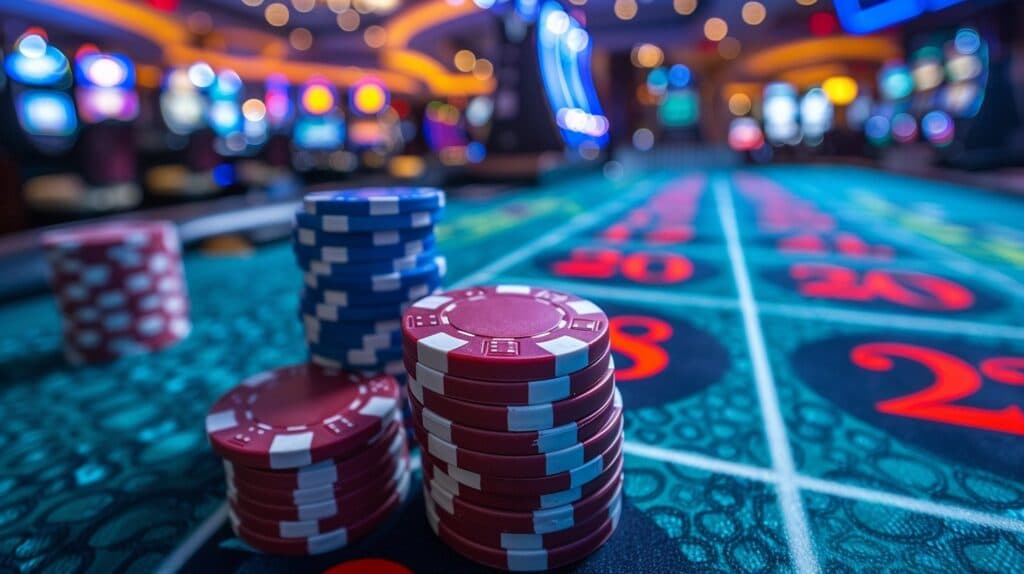
The online gaming sector exemplifies many of the themes contemporary artists explore in their work about digital entertainment and chance-based systems. Platforms like GGBet operate under strict regulatory frameworks, including a Curacao eGaming license, which ensures certain standards of operation and player protection. Users interested in exploring such platforms can find promotional opportunities including the GGBet no deposit bonus code 2026, which allows newcomers to experience the platform’s offerings with reduced financial risk.
GGBet’s extensive game library showcases the sophisticated visual design and gameplay mechanics that characterize modern online casino entertainment. The platform features popular slot titles from industry-leading developers that demonstrate the high production values now standard in this sector:
Popular game providers and titles on GGBet include:
- NetEnt: Known for visually stunning slots like “Starburst,” “Gonzo’s Quest,” and “Dead or Alive 2”
- Pragmatic Play: Offering high-volatility games such as “The Dog House,” “Sweet Bonanza,” and “Gates of Olympus”
- Evolution Gaming: Pioneering live dealer experiences with titles like “Crazy Time,” “Monopoly Live,” and “Lightning Roulette”
- Play’n GO: Creating narrative-driven slots including “Book of Dead,” “Reactoonz,” and “Rise of Olympus”
- Microgaming: One of the industry’s oldest providers, known for “Mega Moolah” and its progressive jackpot network
- Big Time Gaming: Innovators behind the Megaways mechanic, featured in games like “Bonanza” and “White Rabbit”
The visual and interactive design of these games represents a significant investment in user experience, employing professional animators, sound designers, and game developers. From an artistic perspective, these products sit at the intersection of commercial design and entertainment art, raising questions about the relationship between aesthetic sophistication and potentially addictive gameplay patterns.
Digital Ethics and Artistic Responsibility
As artists engage with themes of digital gaming and online gambling, questions of ethical responsibility emerge. Should artists creating work about gambling avoid aestheticizing or glamorizing the subject? How can critical art avoid inadvertently serving as advertising for the platforms it seeks to critique?
Some artists have responded by partnering with addiction counseling organizations, incorporating educational materials into their exhibitions, or donating proceeds to gambling addiction support services. Others take a more confrontational approach, creating work that deliberately discomforts viewers or refuses aesthetic pleasure in favor of raw documentation of gambling’s human costs.
The debate reflects broader questions about art’s role in society: Is it sufficient for art to raise awareness and provoke thought, or does it have a responsibility to advocate for specific policy changes? Can art that engages with controversial subjects remain neutral, or does the act of representation inherently take a position?
The Future of Artistic Engagement with Digital Gaming
As technology continues to evolve, so too will artistic responses to digital gaming and gambling. Virtual reality, augmented reality, and blockchain-based gaming platforms present new subjects for artistic investigation. The metaverse concept, with its blend of gaming, social interaction, and economic activity, offers particularly fertile ground for critical artistic practice.
Emerging artists are already creating VR experiences that place users inside gambling simulations designed to reveal the psychological mechanics at play. Others are using blockchain technology to create artworks that comment on cryptocurrency gambling and NFT speculation, drawing parallels between these phenomena and traditional gambling.
The next generation of artists working in this space will likely have even more intimate relationships with digital gaming, having grown up entirely in the age of smartphones and social media. Their perspectives will shape how society understands and regulates these platforms, with art serving as a space for collective reflection on the role of chance, risk, and entertainment in our increasingly digital lives.
Contemporary art’s engagement with digital gaming and online casinos represents more than aesthetic exploration—it’s a crucial form of cultural criticism that helps society understand the implications of these technologies. As these platforms become more sophisticated and widespread, the artistic community’s critical perspective becomes increasingly valuable in maintaining a thoughtful, ethical approach to digital entertainment.